Dumpster Rental FAQs
Renting a dumpster sounds simple until you start thinking about the details. How much weight can you load? Will the container fit in your driveway? What happens if you fill it past the top? Can rain affect your disposal costs? And what should you check before scheduling pickup?
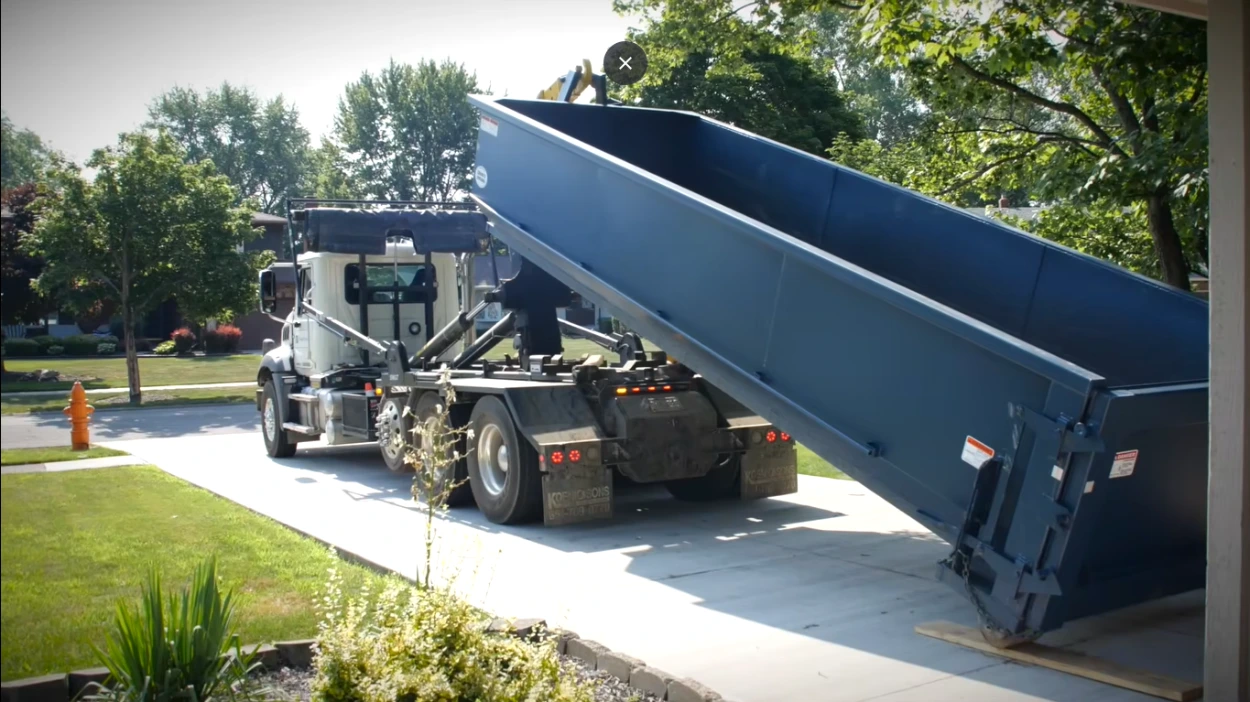
These are common questions for homeowners, contractors, landlords, and business owners planning a cleanup or renovation. At River to Ridge Dumpster Rentals, we want you to know what to expect before your container arrives and how to avoid problems during your rental.
Below, you’ll find practical answers about dumpster rental requirements, weight limits, driveway protection, loading rules, delivery, pickup, and other details that can affect your project in Asheville, NC.
Questions to Ask Before Renting a Dumpster
1. What questions should I ask before renting a dumpster?
Before booking, ask about the container size, included rental period, weight allowance, accepted materials, delivery arrangements, and any additional charges. Also confirm what happens if you need more time, exceed the weight allowance, or request an additional pickup.
If the dumpster will sit in your driveway, ask how placement is handled and whether protective boards can be used. Getting these details in writing helps you understand the rental terms before your project begins.
2. What do I need to rent a dumpster?
You generally need a delivery address, an idea of the materials you plan to dispose of, an estimated amount of debris, and your preferred delivery date. You should also know where you want the container placed and whether the truck can access that location.
You do not need to know the exact dumpster size before contacting us. Describe your project, and we can help you consider the available options.
3. Can I rent a dumpster for residential use?
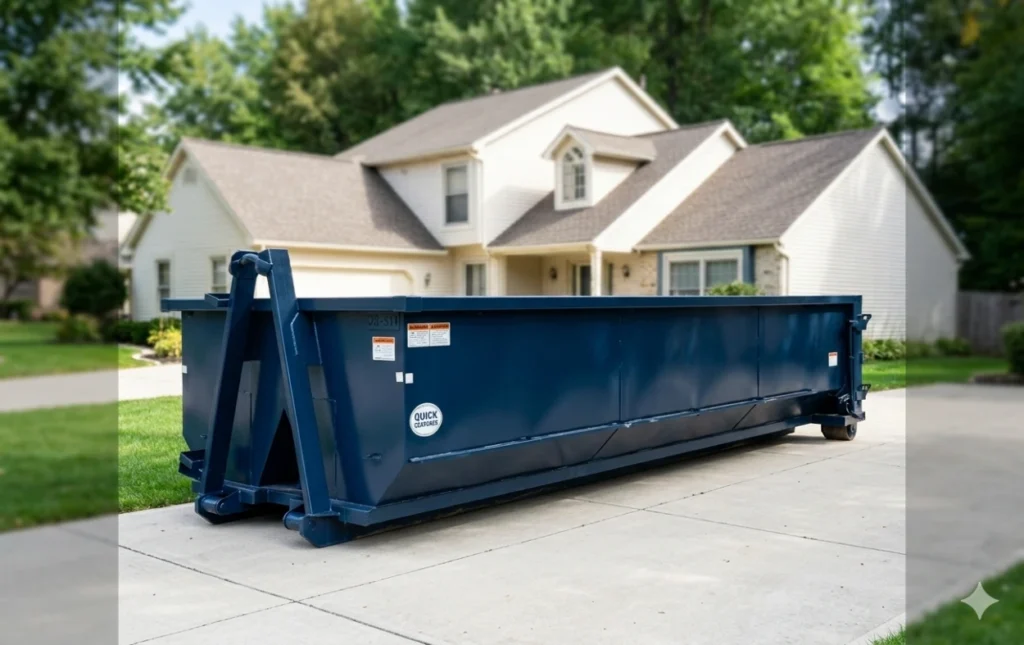
Yes. Residential dumpster rentals are useful for garage cleanouts, home renovations, moving preparations, roofing work, landscaping projects, and clearing unwanted household items.
Before choosing a container, consider your available driveway space, the amount of debris, and any access restrictions around your property. Make sure the materials you plan to load are accepted under your rental terms.
4. How far in advance should I book a dumpster?
Booking several days ahead is a sensible approach, particularly during busy renovation seasons or when you need a specific container size. This gives you more time to confirm availability and prepare your property.
If you need a dumpster sooner, call to ask about current scheduling. Same-day or next-day delivery should never be assumed until a delivery date has been confirmed.
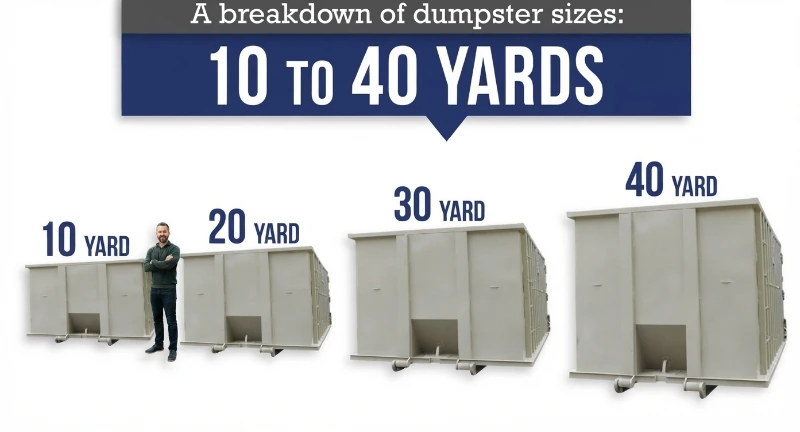
5. How do I choose the right dumpster size?
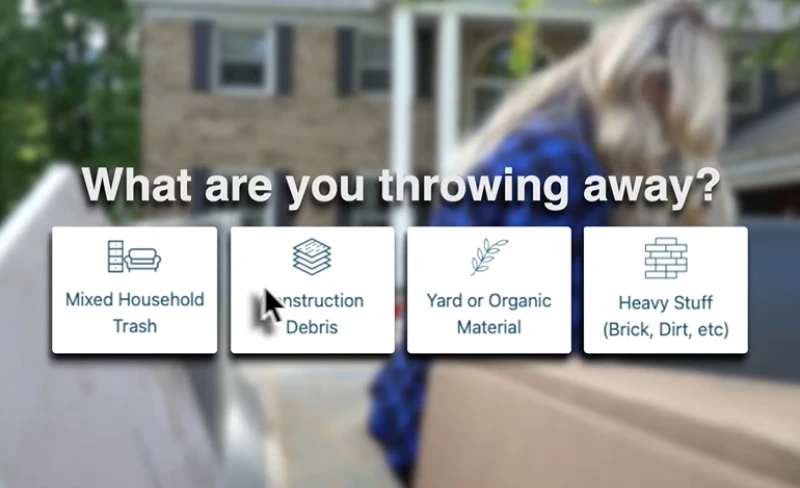
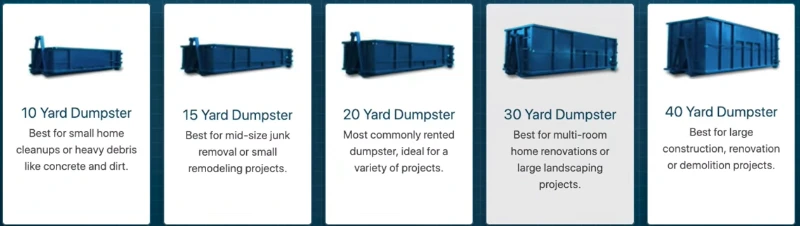
Start with the type and approximate amount of debris your project will produce. A garage cleanout, kitchen renovation, roof replacement, and whole-home cleanout can all require different container capacities.
Also consider the weight of your materials. Concrete, brick, soil, and roofing debris can reach weight limits before a container looks full.
Compare available dimensions and capacities in our Dumpster Size Guide before making your selection.
Dumpster Rental Costs, Weight Limits & Additional Charges
6. What is included in a dumpster rental price?
A rental quote may include the container, delivery, an agreed rental period, a specified weight allowance, and pickup. However, the exact inclusions depend on the rental agreement.
Before confirming your booking, check whether disposal charges, delivery distance, additional rental days, overweight material, and special disposal requirements are included or billed separately.
Our [dumpster rental pricing information] can help you understand the main factors that affect rental costs.
7. How much weight can a dumpster hold?
There is no single weight allowance for every dumpster. It depends on the container, its intended use, the rental terms, and the materials being loaded.
Household furniture and general renovation debris have different weight characteristics from concrete, brick, dirt, and roofing shingles. A smaller container filled with dense material can weigh more than a larger container holding lighter household waste.
Always confirm the included tonnage and maximum permitted load before starting your project.
8. How is dumpster rental weight calculated?
When disposal is charged by weight, the material’s net weight is generally determined using the difference between the loaded vehicle’s weight and its empty or tare weight at the disposal facility.
For example, if a vehicle weighs 25,000 pounds before loading and 31,000 pounds after loading, the net load is 6,000 pounds.
Your rental agreement determines the included allowance and how any excess weight is charged. If you have a question about a final disposal weight, ask for the relevant scale documentation.
9. What happens if my dumpster exceeds its weight limit?
If your debris exceeds the included weight allowance, additional charges may apply according to your rental agreement.
Heavy materials are a common reason for unexpected weight overages. A container can look only partly full while already carrying a substantial load of concrete, brick, soil, or shingles.
If your project involves heavy debris, discuss the material and estimated quantity before booking. This is much easier than trying to resolve an overweight load after pickup.
10. Does rain make dumpster debris heavier?
Yes. Some materials absorb water and become heavier after rainfall. Drywall, carpeting, insulation, wood, and other absorbent debris can retain moisture when exposed to wet weather.
If your dumpster will remain outside during a rainy period, consider how much material is exposed to the weather. Keep the load within the permitted fill level, and ask about suitable covering options if necessary.
Rain does not automatically create a separate fee. Any additional weight charges depend on the actual measured load and the terms of your rental.
11. What are dumpster overage fees?
Overage fees are additional charges that may apply when a rental exceeds an agreed limit or requires services outside the original booking.
Depending on the rental agreement, these can include:
- Weight exceeding the included allowance
- Additional rental days
- Restricted materials requiring special handling
- Failed delivery or pickup attempts
- Additional collection or container exchange requests
Ask which charges could apply to your project before booking. Do not rely on an advertised starting price without checking what it actually includes.
Dumpster Loading Rules & Accepted Materials
12. Can you fill a dumpster all the way to the top?
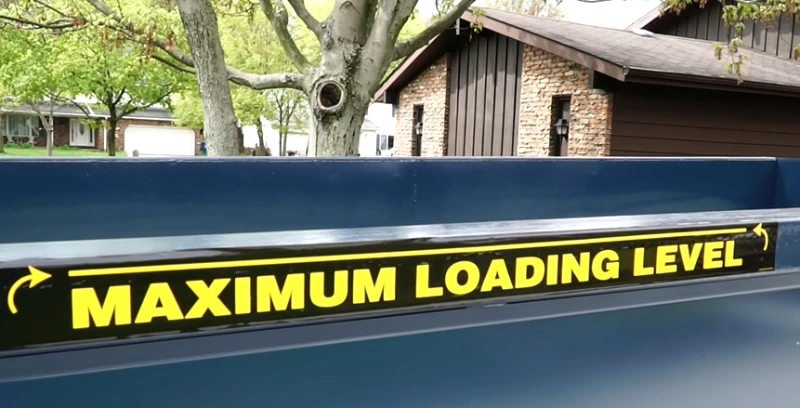
You should follow the marked fill line and loading instructions provided with your container. Debris should not extend above the top edge or create an unstable load.
An overfilled dumpster may not be safe to transport because loose materials can fall during loading or travel. If the load exceeds the permitted level, collection may be refused until the excess debris is removed.
Spread materials evenly and avoid creating a pile above the container walls. This helps prevent collection delays and unnecessary return-trip charges.
13. What cannot go in a rental dumpster?
Not every type of waste can be disposed of through a standard dumpster rental. Hazardous and regulated materials often require separate handling.
Common restricted materials can include:
- Gasoline and other fuels
- Motor oil and certain chemicals
- Wet paint and solvents
- Asbestos-containing materials
- Pesticides and hazardous substances
- Batteries
- Certain tires and automotive waste
- Other materials restricted by the disposal facility
Some appliances, electronics, mattresses, and other bulky items may also have special disposal requirements or additional charges.
Rules can vary by material and disposal facility. Check our Accepted Dumpster Materials Guide or call us before loading anything you are unsure about.
14. Can I put concrete, brick, or dirt in a dumpster?
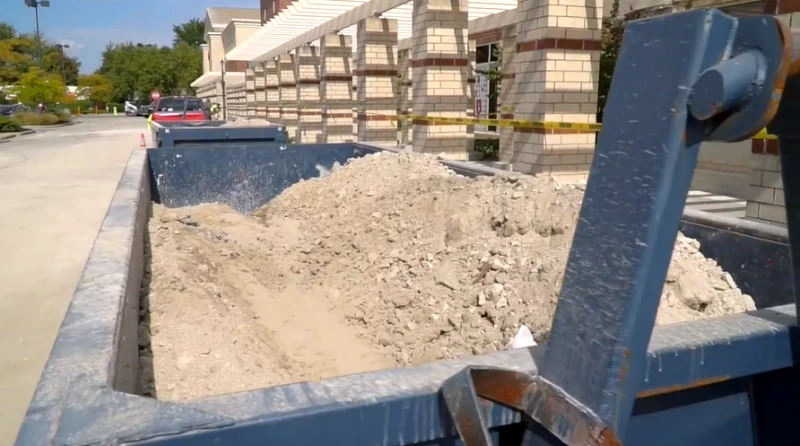
Heavy materials such as concrete, brick, asphalt, and soil may be accepted under specific conditions, but they are not suitable for every standard dumpster rental.
These materials can reach weight limits quickly, even when the container has plenty of unused space. Some rentals may require a designated container or a restricted loading level for heavy debris.
Tell us exactly what you plan to dispose of before booking. Do not mix heavy materials with general household waste without confirming that the combination is permitted.
Driveway Protection, Delivery & Placement
15. Can a dumpster be placed on my driveway?
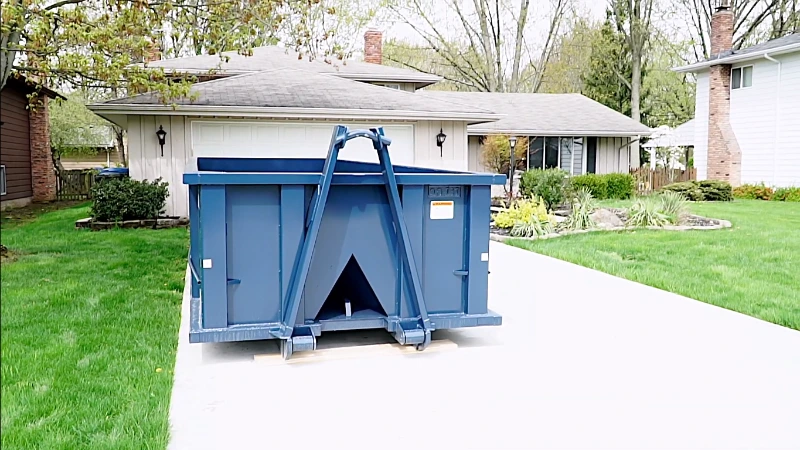
A driveway is often a convenient location for a residential dumpster, provided there is enough room and the surface can accommodate the delivery equipment and container.
Before scheduling, consider the driveway’s width, slope, surface condition, and access from the road. A narrow entrance, sharp turn, low branch, or parked vehicle can interfere with delivery.
If your driveway has limited space or an unusual layout, share photographs and measurements before confirming the drop-off location.
16. How can I prevent a dumpster from damaging my driveway?
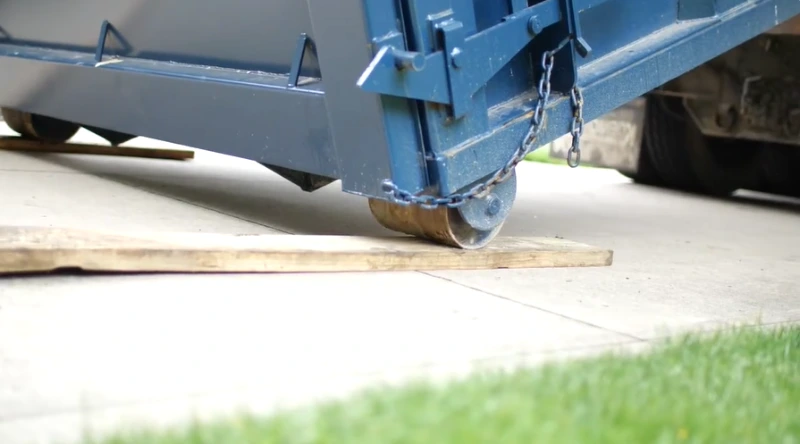
A roll-off dumpster is heavy, and the delivery and removal process can put concentrated pressure on certain parts of a driveway.
Here are some sensible precautions:
- Clear the proposed placement area.
- Discuss the driveway surface before delivery.
- Ask whether protective plywood or boards can be placed beneath contact points.
- Avoid placing the container on visibly soft or unstable ground.
- Discuss slopes and existing cracks with the delivery team.
- Take photographs of the driveway before delivery.
Protective boards can help distribute contact pressure, but they cannot guarantee that damage will never occur. Existing surface conditions, container weight, and the delivery and pickup method all matter.
17. Can a dumpster be delivered to a steep or narrow driveway in Asheville?
It depends on the driveway and the delivery truck’s capabilities. Some properties around Asheville and Buncombe County have steep grades, gravel approaches, narrow roads, tight turns, or limited space for a large truck to maneuver.
A dumpster that fits in your available space may still be difficult to deliver if the truck cannot safely reach the drop-off point.
Before booking, tell us about the slope, road width, turning space, overhead branches, and any low-clearance obstacles. Photographs of the entire access route can help us assess the situation and discuss a suitable arrangement.
18. Do I need a permit to place a dumpster in Asheville?
A dumpster placed entirely on private property is different from one occupying a public street, sidewalk, or parking space.
The City of Asheville requires a temporary closure permit for placing a dumpster on a city street for debris removal, including applicable downtown on-street parking locations. Other public right-of-way situations may require additional permission.
Before arranging street placement, check the applicable requirements with the City of Asheville. You can also read our Asheville Dumpster Permit Guide for more information.
For current requirements and applications, visit the City of Asheville Temporary Street Closures page.
19. Can I move a dumpster after it has been delivered?
No. Do not attempt to drag, push, tow, or reposition a roll-off dumpster yourself.
A loaded container can weigh several tons, and moving it without suitable equipment can cause serious injury, property damage, or an accident.
If you need the dumpster moved because it blocks access, was placed incorrectly, or interferes with your project, contact us. We can discuss whether repositioning is possible and arrange the appropriate equipment.
Rental Periods, Pickup & Other Common Concerns
20. How long can I keep a rented dumpster?
The rental period depends on the terms agreed upon when you book. Your quote should identify the included number of days and any applicable charges for keeping the container longer.
Plan your cleanup around the confirmed rental period, especially if you are coordinating contractors, renovation work, or a property cleanout.
If your project schedule changes, contact us before the agreed end date.
21. Can I extend my dumpster rental?
Extensions may be available depending on the rental schedule and container availability.
If your renovation takes longer than expected, contact us before the original rental period ends. We can discuss whether the container can remain on your property and explain any additional charges.
Do not assume that an extension has been approved until the new arrangement is confirmed.
22. What happens if my dumpster is not picked up on the scheduled date?
If collection does not happen when expected, contact us as soon as possible and confirm the pickup request and agreed schedule.
Keep a record of your communication and ask how the delay affects your rental period or any additional charges. Avoid assuming that extra rental days will automatically be waived.
Clear communication helps resolve scheduling issues before they affect the rest of your project.
23. What should I do if someone else puts trash in my dumpster?
Unauthorized dumping can take up valuable space and may increase the total weight of your container. It can also introduce materials that are not allowed under your rental agreement.
Whenever possible, keep the dumpster on private property rather than in an easily accessible public location. If your container has a lockable door or cover, ask about using it when the dumpster is not being loaded.
Check the contents periodically, particularly before collection. If you notice unfamiliar or restricted materials, contact us before pickup.
24. What happens if my dumpster fills up before my project is finished?
If your container becomes full before the cleanup is complete, stop loading it once it reaches its permitted capacity or fill line.
Contact us to discuss the available options. Depending on the container, schedule, and project requirements, another pickup, a replacement container, or an additional rental may be possible.
Do not pile debris above the container walls to make room for more material.
25. Is renting a dumpster cheaper than taking debris to the landfill yourself?
It depends on how much waste you have, the type of material, your vehicle, and how many trips would be required.
Taking debris to a disposal facility yourself may work for a small amount of waste if you already have a suitable vehicle. For a larger renovation or property cleanout, repeated trips, fuel, disposal charges, loading time, and vehicle limitations can make a dumpster rental more practical.
Compare the total cost and effort rather than looking only at the initial rental price.
26. How do I avoid unexpected dumpster rental charges?
Start by reviewing the rental quote before confirming your booking. Make sure you understand the included weight allowance, rental period, delivery and pickup arrangements, and possible additional fees.
Pay particular attention to:
- Additional weight charges
- Extra rental days
- Restricted or specially handled materials
- Overfilled container collection requirements
- Failed delivery or pickup attempts
- Additional service requests
Keep a copy of the rental terms and your payment confirmation. If anything is unclear, ask for an explanation before agreeing to the rental.
27. Can I open the dumpster door to walk debris inside?
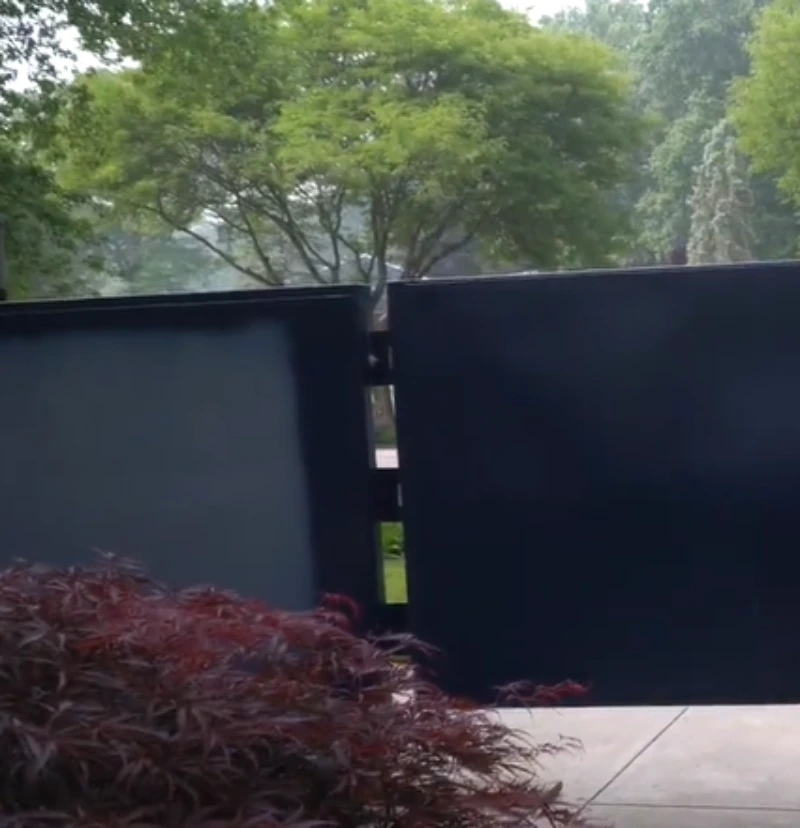
Many roll-off dumpsters have a rear swing door that opens to provide ground-level access for loading. This can make it easier to carry furniture, renovation debris, boxes, and other bulky items into the container instead of lifting everything over its sides.
Before booking, ask us whether the selected dumpster size includes a rear access door. Make sure there is enough clear space behind the container for the door to open fully and for safe loading.
Keep the door secured according to its instructions when loading is finished. Never force a door that is difficult to operate, and make sure it is properly closed and secured before pickup.
Still Have a Question About Dumpster Rental?
Every cleanup project is different. Whether you are clearing out a garage, renovating a home, replacing a roof, or removing construction debris, understanding the rental requirements beforehand can save time and prevent avoidable problems.
River to Ridge Dumpster Rentals is here to help you understand your options and arrange a container that fits your project.
Call (828) 599-9900 to discuss your requirements, ask about available dumpster sizes, and request a rental quote in Asheville, NC.
Have a project coming up? Let’s talk about the right dumpster for the job.
Find us
5 Frederick St,
Asheville, NC 28801
Monday – Friday, 7:00 am – 5:00 pm Booking: 24/7
Navigate
Areas We Serve
North Carolina